
Crystal Magazine Oct 16, 2026
Cinfa Opens Scientific Office to Support the UAE’s Pharmaceutical Localization and Advance Health
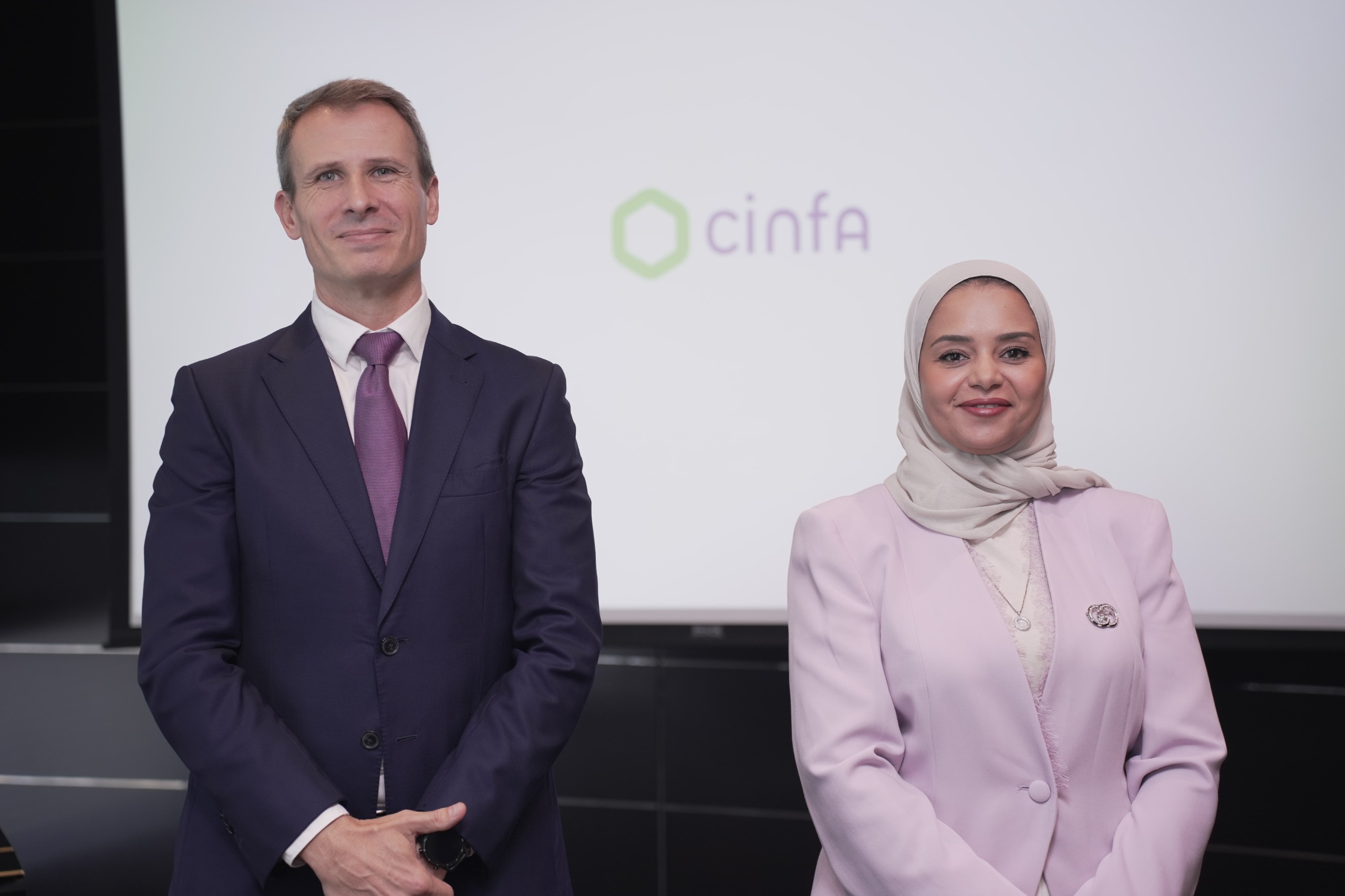
Cinfa, an international pharmaceutical company committed to improving people’s health and with nearly 60 years of experience, today announced the official launch of its UAE Scientific Office, with the UAE set to become Cinfa’s first localization hub outside Spain. This milestone marks a new phase in the company’s localization journey, following more than ten years of presence in the region.
Since entering the Middle East through the UAE in 2013, Cinfa has progressively expanded its presence across the region, including Kuwait, Qatar, Saudi Arabia, Bahrain and Iraq. Today, the company markets more than 100 product references across the region, addressing the treatment of a wide range of diseases with a high prevalence in the UAE.
Cinfa’s localization hub will be developed through a phased partner-based model spanning local scientific and regulatory capabilities; secondary packaging and batch release; and, progressively, technology transfer and selected local manufacturing through local partners.
“The UAE has created an environment in which international expertise and national priorities can come together to build meaningful, long-term healthcare capabilities”, said Franc Vives Ribera, Chief International Officer for Cinfa Group. “With the launch of our Scientific Office, we are committed to supporting the UAE’s healthcare vision through closer scientific collaboration, local knowledge development, and a more integrated approach to bringing medicines closer and faster to patients.”
The Scientific Office serves as a tool for stronger local capabilities across regulatory affairs, quality assurance, and pharmacovigilance.
Through closer collaboration with authorities, healthcare institutions, and other national stakeholders, the Office supports the exchange of scientific and regulatory expertise while contributing to the development of long-term pharmaceutical capabilities within the UAE.
Its establishment comes as the UAE continues to advance its position as a regional center for life sciences and pharmaceutical innovation. National frameworks, including UAE Vision 2031, place strong emphasis on building a competitive knowledge-based economy, strengthening local industrial capabilities, and developing greater resilience across strategically important sectors, including healthcare.
To better align with local market needs, Cinfa is now evolving its approach to incorporate UAE requirements as part of a new model. From developing products primarily with European markets in mind and then bringing them to the region, the new model evaluates local requirements directly, in order to apply UAE requirements increasingly earlier into development and regulatory planning and, ultimately, allowing earlier access for patients to the treatments they need.
A progressive localization plan set in two phases
Under the first phase, 12 products are planned for evaluation, with five regulatory dossiers expected to become available between 2026 and 2027 in regionally strategic therapeutic areas such as cardiovascular and metabolic diseases, central nervous system disorders, and urology. Earlier integration of UAE requirements is expected to bring the launch of Cinfa’s eligible products in this first phase forward by approximately two years on average compared with the current process.
Following approval, secondary packaging and batch release will take place locally in the UAE as part of this first stage of localization, in partnership with qualified local pharmaceutical manufacturers. Cinfa has already signed its first agreement with Lifepharma, a UAE-based pharmaceutical manufacturer.
In the second phase, Cinfa aims to integrate UAE requirements from the outset of product development, while advancing towards fully local manufacturing of selected products through UAE-based pharmaceutical partners, with the longer-term objective of being ready to launch eligible medicines in the UAE as soon as patent protection allows, wherever feasible.
In parallel, the localization plan is progressing towards deeper levels of industrial localization
through agreements with local partners. Through ongoing technology transfer of certain products, the ambition is not only to manufacture the product in the UAE for the local market, but also to supply markets across the Middle East and, potentially, other international markets in the future. As such, the UAE could eventually become the base for a regional production hub.