Crystal Magazine Nov 02, 2026
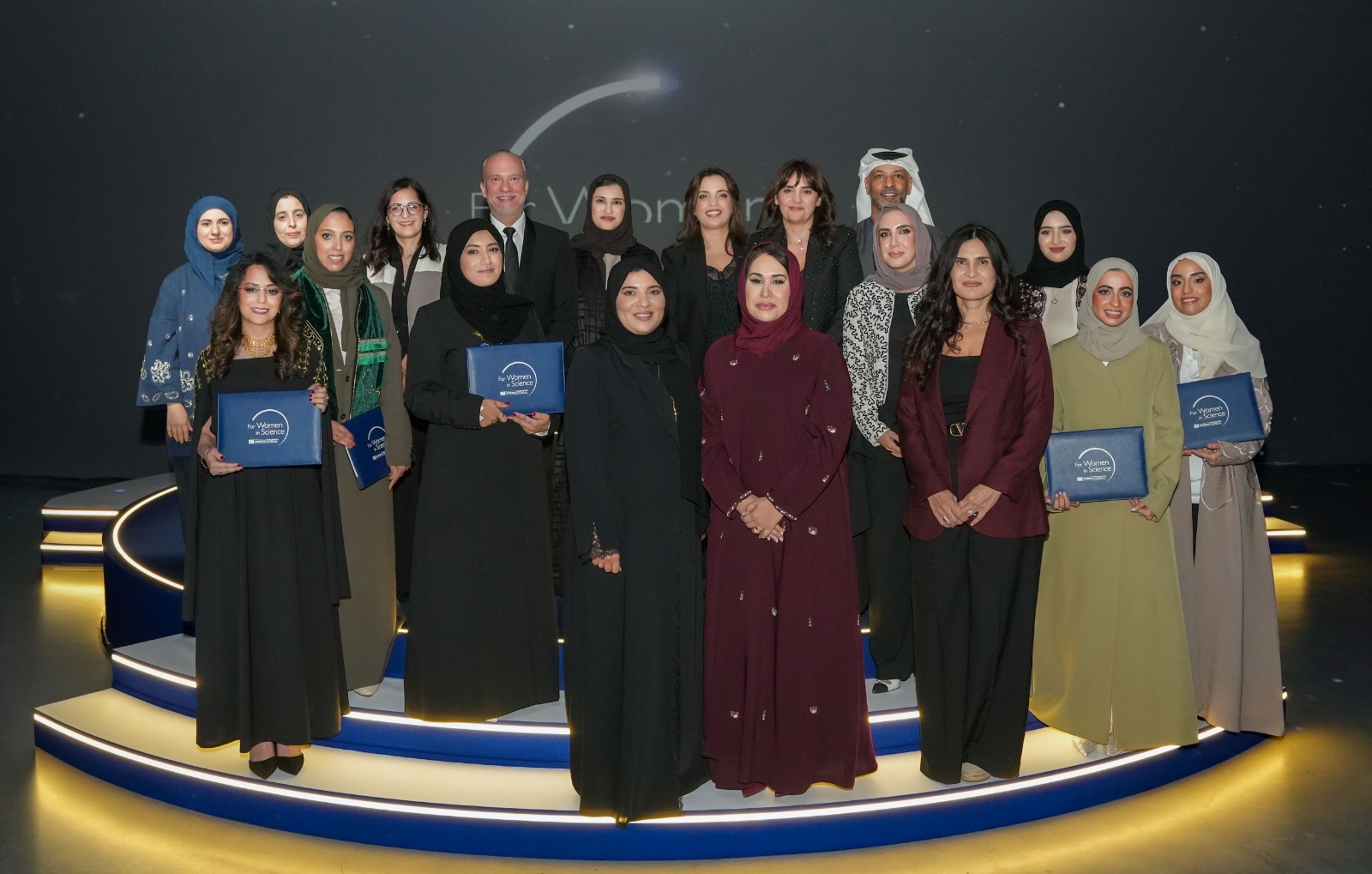
Two Saudi Scientists Among Six Arab Women Recognised for Research That Could Shape the Region’s Futu
Their research begins with healthcare, water security and environmental pressures at home, but its potential applications extend far beyond the Arab world.
From materials that could make X-rays safer to biological systems that turn pollution into useful resources, here is the science, explained simply.
1. Alaa Mansour Almushaikeh is making X-ray imaging safer
Saudi Arabia | King Abdullah University of Science and Technology (KAUST) | Materials science and radiation imaging
“I build tiny glowing materials that help us see what our eyes cannot see. By making them brighter, safer and more adaptable, I hope to help make X-ray imaging better for the people who need it.”
Almushaikeh develops materials called scintillators, which convert invisible X-rays into visible light that cameras can detect. The brighter and more efficient these materials become, the greater the possibility of producing clear medical images using less harmful radiation. Potentially, the same technology can be applied to security screening, industrial inspection and other forms of radiation detection.
2. Dr. Aljawharah Alrubayyi is finding new ways to fight viruses
Saudi Arabia | King Abdullah University of Science and Technology (KAUST) | Immunology and viral infections
“I look for the immune cells that can destroy infected cells and the weak spots in viruses that we can target. My goal is to help create better vaccines and treatments that protect everyone, especially vulnerable people, and keep us one step ahead of the next pandemic.”
Alrubayyi studies how the immune system responds to viruses and why some people are better protected than others. Her interest was shaped by the emergence of Middle East respiratory syndrome, or MERS, in Saudi Arabia. It motivated her to help develop stronger vaccines and treatments for future outbreaks.
3. Hadeel Tarik Mohammed Zedan is designing adaptable antiviral treatments
Iraq | Qatar University | Biomedical research and antiviral therapeutics
“I create smart, adaptable antiviral treatments that are flexible enough to fight multiple viruses. By learning from COVID-19, I’m helping build medical defences that can protect us from future pandemics.”
Instead of developing a treatment for only one virus or variant, Zedan is working on antiviral approaches that could stop several respiratory viruses from multiplying. She is also exploring convenient ways to deliver these treatments so they could be adapted more quickly when new viral threats emerge.
4. Jawaher Alhammadi is building tiny models of human cells
United Arab Emirates | Khalifa University | Biomembranes and immune-cell research
“Imagine if we could test a medicine on a tiny model of you before giving it to you. I build small models that mimic the surface of our cells and can be changed to represent different diseases or even different patients.”
Alhammadi creates simplified models of cell membranes, or the surfaces through which cells communicate and respond to their environment. By making these models more similar to real human cells, her research could help scientists study diseases and, eventually, test which medicine may work best for an individual patient.
5. Dr. Marieh Bassam Al Handawi is learning how to collect water from desert air
Syria | New York University Abu Dhabi | Materials science and water security
“I look at desert plants and ask: how do you survive when there is almost no water? Then I study their clever tricks and try to replicate them in the lab by developing new materials inspired by plants that can collect water from the air.”
Al Handawi found inspiration in Tamarix aphylla, a desert shrub that uses naturally produced salts to capture moisture from the atmosphere. She is investigating how this process could inspire lower-energy fog-harvesting systems and more efficient cloud-seeding materials, complementing the region’s reliance on desalination.
6. Dr. Sara Hamed Al-Araimi is turning pollution into useful resources
Oman | University of Technology and Applied Sciences | Environmental biotechnology
“I use tiny living organisms—bacteria and microalgae—to help nature clean up what we leave behind. They work together like a small natural recycling team.”
Al-Araimi uses bacteria to help treat polluted wastewater while microalgae absorb carbon dioxide and produce useful biological materials. She is now working to move the technology beyond the laboratory, with the longer-term aim of creating scalable systems that support cleaner water, lower emissions and a more circular economy.
The work of these six scientists shows how research rooted in the Arab region’s most pressing realities can produce solutions with the potential to improve lives locally, while helping address challenges shared around the world.